The Story Behind the Popularity of Pie Cafe Colorado Springs
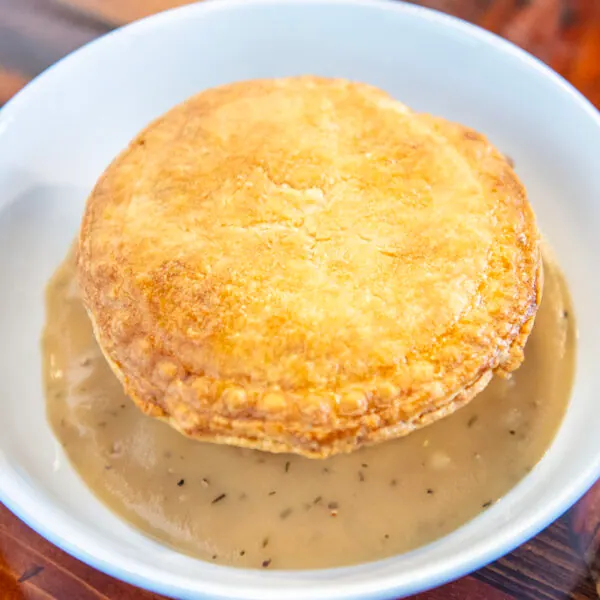
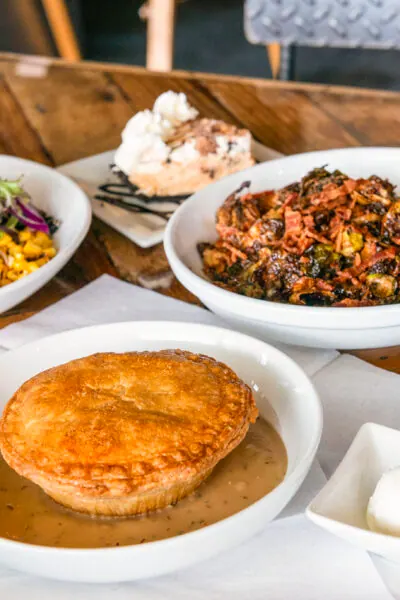
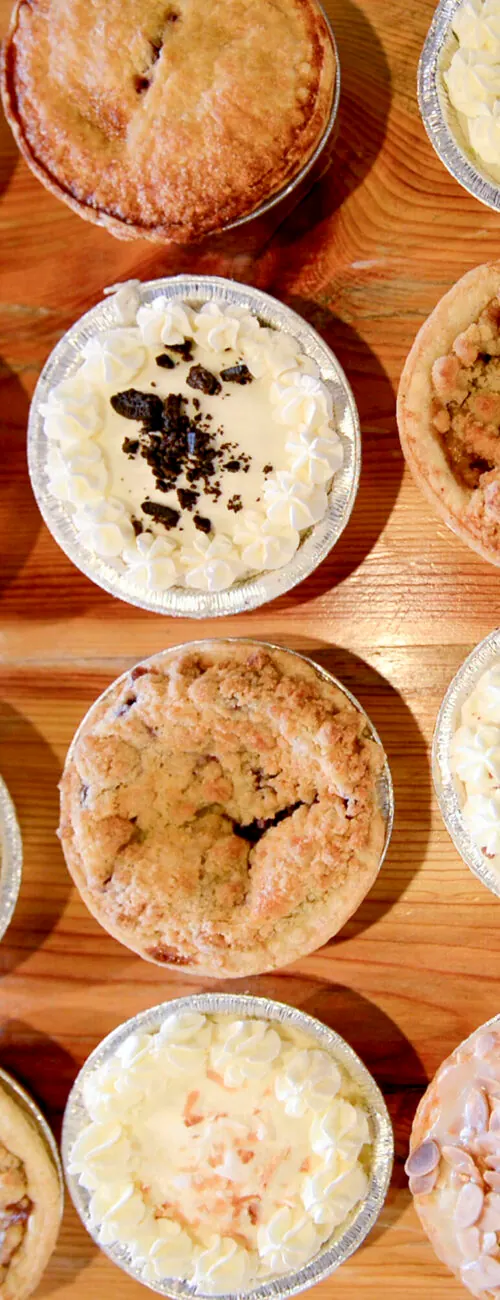
Some restaurants become busy because they spend heavily on marketing. Others catch a brief wave on social media, then fade when the novelty wears off. The places that last usually do something more difficult. They become part of the local routine. They give people a reason to return on an ordinary Tuesday, not just on a celebratory Saturday. That is the real story behind the popularity of Pie Cafe Colorado Springs.
When people talk about a neighborhood favorite, they are rarely talking only about the food. They are talking about the way a place fits into daily life. They mean the comfort of knowing what kind of meal they will get, the confidence that a friend from out of town will like it, and the quiet pleasure of walking into a room that already feels familiar. In Colorado Springs, where dining options range from long-standing local institutions to rapidly expanding chains, a cafe built around pie has a surprisingly powerful advantage. Pie sits at the intersection of comfort, https://maps.app.goo.gl/MoAYE3jwBcprXBkL6 memory, indulgence, and practicality. It can feel old-fashioned without seeming stale. It can be celebratory without becoming formal. That combination matters more than many operators realize.
The appeal of pie also runs deeper than trend-driven dessert culture. Cupcakes had their boom. Donuts had their moment of reinvention. Cookies continue to cycle through various phases of size, texture, and spectacle. Pie has stayed steady because it satisfies a broader emotional need. It feels generous. A slice has presence. It suggests care, patience, and craft. You can dress pie up, but you do not have to. A good pie cafe understands that balance, and customers respond to it.
Why pie still works in a crowded food scene
A lot of restaurant concepts look clever on paper and struggle in practice. Pie is different because it already carries meaning before a customer takes the first bite. Most people come to it with memories attached, often strong ones. Holiday tables, church suppers, roadside diners, family birthdays, county fairs, potlucks, and Sunday dinners all sit somewhere in the background. That does not guarantee success, but it gives a cafe a head start that many newer concepts never get.
In a place like Colorado Springs, that emotional connection meets a customer base that appreciates both comfort and quality. The city has longtime residents, military families, tourists, and newcomers who moved for the scenery and stayed for the lifestyle. Those groups do not all dine the same way, but they do overlap in what they want from a casual cafe. They want a place that feels approachable. They want clear value. They want flavor that justifies the visit. A pie-centered menu, when executed well, checks all three boxes.
What makes pie especially resilient is its versatility. Savory pies can appeal to lunch guests looking for a substantial meal. Fruit pies can satisfy traditionalists. Cream and specialty pies attract dessert seekers. Whole pies support holidays, office gatherings, and family events, which gives the business relevance beyond dine-in traffic. From an operator’s perspective, that range matters. A concept that can serve individual cravings and group occasions has a wider path to staying busy year-round.
That flexibility helps explain why pie cafe colorado springs is a phrase people search for with real intent. They are not usually browsing for abstract food inspiration. They are trying to solve a very practical question: where can I get something comforting, memorable, and worth sharing?
Popularity begins with consistency, not hype
The public likes to tell success stories as if they happened overnight. Restaurant people know better. Popularity that lasts almost always rests on repetition. A cafe earns its reputation by meeting expectations again and again, often in small moments that barely register on the first visit.
A flaky crust that stays flaky. Filling that tastes like fruit instead of syrup. Coffee that is fresh rather than merely hot. Staff who move with calm even when the dining room gets loud. A menu that offers enough variety to keep regulars interested without becoming scattered. These are not glamorous details, but they are what build trust.
Trust is the most underestimated asset in hospitality. Once guests believe a place will deliver, they begin to recommend it with confidence. That changes everything. Word-of-mouth marketing works because it transfers certainty. If someone tells you, “Get the slice, it’s worth it,” that recommendation lands differently from any polished advertisement.
In my experience, customers forgive a lot less than owners assume when it comes to dessert-focused businesses. If the pie is merely decent, there is no reason to make a special trip. A burger joint can survive on atmosphere and convenience for a while. A pie cafe has to justify itself more clearly. It needs to be destination-worthy, or at least habit-worthy. That pressure can be a strength. It forces discipline.
The atmosphere does more work than people think
Plenty of food businesses underestimate the role of room tone. They focus on recipes and ignore the physical and social experience of being there. A cafe lives or dies on more than flavor. Lighting, counter flow, table spacing, noise level, aroma, line visibility, and the sight of whole pies on display all shape the guest’s impression before the first bite.
Pie in particular benefits from a setting that feels welcoming rather than performative. If a place leans too heavily into rustic nostalgia, it can feel staged. If it goes too modern and minimalist, it risks stripping away the warmth people expect. The sweet spot sits somewhere in the middle: polished enough to communicate standards, relaxed enough to support lingering.
Colorado Springs also has a practical dining culture. People may be headed to work, coming off a hike, meeting family, or grabbing something after errands. A successful cafe has to work across those situations. It cannot only serve the leisurely brunch crowd. It has to feel equally natural for a quick coffee and a slice, a casual lunch, or a box picked up for dinner at home.
That kind of versatility often explains why a place develops a broader following than a more narrowly branded competitor. Guests return to spaces that ask little of them. They do not need to dress a certain way, understand a gimmick, or commit to a long meal. They can simply walk in, order, and enjoy themselves.
Comfort food, upgraded just enough
One of the hardest things for any comfort-food business is knowing how much to modernize. Change too little and the food feels dated. Change too much and you lose the very quality people came for. Pie cafes that gain real momentum usually understand this tension well.
The strongest versions of the concept tend to respect tradition while tightening execution. Crust should taste handmade, not industrial. Fillings should feel balanced, not aggressively sweet. Seasonal specials should expand the menu without turning it into a laboratory. Guests generally do not need ten experimental combinations if the classics are weak. They need the basics done with confidence, and a few thoughtful surprises.
This is where professional judgment matters. A cafe can attract first-time curiosity with novelty flavors, but it earns long-term loyalty through restraint. Consider how customers actually order. One person wants apple because it reminds them of home. Another wants chocolate cream because they never make it themselves. Someone else buys a whole pie for a birthday because it feels more personal than a sheet cake. Each of those purchases comes with a different expectation, and the kitchen has to meet all of them.
The businesses that thrive understand that popularity is often built on dependable pleasures rather than dramatic reinvention. People like to be delighted, but they love to be reassured.
Colorado Springs is the right kind of city for a pie cafe
Not every market supports the same kind of specialty food business. A concept that thrives in Colorado Springs might struggle in a denser urban market, or in a town with little year-round traffic. The local conditions matter.
Colorado Springs has several qualities that make a pie-focused cafe especially viable. It has a mix of locals and visitors. It has family-oriented neighborhoods. It has people who appreciate independent businesses. It has enough growth to support discovery, but enough rootedness to support loyalty. That combination is rare and useful.
Tourism contributes, but not in the shallow way many assume. Visitors can absolutely boost awareness, especially when they are looking for local spots instead of chains. But tourism alone does not create sustained popularity. Travelers may fill tables on weekends, yet regulars are what stabilize the week. If a place becomes known among residents as somewhere worth bringing guests, then the cycle strengthens itself. Out-of-towners visit because locals approve of it, and locals return because the place still feels like theirs.
Military families and transplants can also shape demand in important ways. People who relocate often search for places that help them settle emotionally into a city. Food plays a major role in that process. A warm, recognizable cafe can become a kind of anchor. It is easier to feel at home when there is a place where the coffee is good, the dessert is reliable, and the staff remembers your face after a few visits.
The menu likely matters beyond dessert
When people hear the phrase pie cafe, they often picture sweets first. That makes sense, but it can also obscure a crucial business reality. Dessert alone does not always generate the frequency needed to build broad local popularity. A cafe usually needs reasons for customers to stop by outside of special occasions.
This is where savory offerings, lunch-friendly options, and beverage pairings become important. A customer might first visit for a slice of fruit pie and come back later for a more practical meal. Another might come in for coffee and add dessert almost by instinct once they see the case. Good operators understand that cross-traffic effect. The menu does not need to be massive. It needs to create multiple occasions for entry.
A smart pie-centered cafe often benefits from serving these kinds of needs:
- a quick but satisfying weekday lunch
- a casual meeting spot over coffee
- a dessert destination after dinner elsewhere
- a reliable pickup option for holidays and gatherings
- a treat that feels special without requiring a high bill
That range helps explain why some cafes keep growing even when their original niche seemed narrow. They do not abandon the core identity. They simply let customers use the space in more than one way.
Word-of-mouth, the old-fashioned engine behind modern popularity
Digital visibility matters, of course. Online photos, review platforms, map listings, and local social chatter all influence traffic. But with businesses like this, the strongest growth usually comes from person-to-person recommendations that happen offline first and online second.
Someone brings a pie to the office. A neighbor asks where it came from. A family serves it at Thanksgiving when nobody had time to bake. A visitor tries a slice, then tells friends back home they found a place they wish they had in their own city. These moments are small, but they accumulate. They also create a more durable kind of awareness because they are tied to lived experience rather than passive scrolling.
Social media can amplify that reputation, but it rarely invents it from nothing. Pie photographs well, especially when there is visible texture in the crust, vibrant filling, or a high meringue peak. Still, photogenic food only carries a business so far. A post might bring in first-timers. The second visit comes from satisfaction.
That distinction matters because many operators chase visibility before they have fully nailed execution. Guests will tolerate a simple website if the pie is superb. They will not forgive average pie just because the branding is polished.
Price, value, and the psychology of a slice
One reason pie cafes can build loyal followings is that the pricing often feels easier to justify than other indulgences. A whole cake can feel tied to a specific event. A plated dessert in a full-service restaurant may seem expensive once tax and tip are added. A slice of pie and coffee lands in a psychologically comfortable zone for many people. It feels like a treat, not a financial decision.
That matters more than it might sound. In hospitality, value is not just the amount charged. It is the relationship between expectation, portion, quality, and mood. A generous slice served in a pleasant cafe can feel like excellent value even if it is not the cheapest dessert in town. People are often willing to pay for an experience that feels complete.
There is also a practical element. Whole pies, especially around major holidays, solve a time problem. Not everyone has the hours, equipment, or confidence to bake well from scratch. Buying from a trusted cafe lets customers outsource labor without sacrificing the sense of tradition that pie brings to the table. That is not a minor service. It can turn an occasional customer into a repeat seasonal buyer, and seasonal buyers often become year-round advocates.
Popular places understand regulars without excluding newcomers
This is one of the subtler parts of restaurant popularity, and one of the most important. The best neighborhood cafes create a sense of belonging for repeat guests without making first-time visitors feel like outsiders. That balance is hard to fake.
If the staff is attentive but not overfamiliar, newcomers feel welcomed. If regulars get remembered in natural ways, they feel valued. If the ordering process is clear, if the display invites curiosity, and if there is enough guidance for someone who does not know the difference between cream, custard, fruit, and savory options, the business lowers friction. Lower friction usually means higher return rates.
A cafe can become beloved simply by being easy to enjoy. That sounds obvious, yet many food businesses complicate the guest experience with too many choices, too much jargon, or too much self-conscious branding. Pie does not need that. It benefits from confidence and clarity.
I have seen this in many local food settings. People are not always looking for spectacle. They are often looking for a place that makes a simple pleasure feel dependable. If a cafe can do that while also delivering genuinely good food, it earns something stronger than buzz. It earns routine.
The hidden power of seasonality
Pie has a unique seasonal rhythm, and smart cafes use it well. Autumn naturally supports apples, pecans, pumpkins, and richer spice profiles. Summer invites berries, stone fruit, and brighter flavors. Winter can lean into cream pies, chocolate, and deeper comfort. Spring opens the door to citrus and lighter fruit combinations. This cycle gives a pie business built-in opportunities to refresh interest without losing its identity.
Seasonality also creates anticipation. Customers begin to associate certain times of year with certain flavors, and that expectation drives repeat visits. A seasonal return can be more effective than a constant stream of permanent additions because scarcity adds emotional weight. When people know a pie is only around for a limited window, they prioritize the trip.
The strongest businesses do not chase seasonality for novelty alone. They use it to reinforce quality. Fresh fruit tastes different at the right time of year. Menus feel more honest when they reflect that reality. Guests may not articulate it in those terms, but they notice the difference.
Popularity can be fragile, which makes sustained success impressive
It is worth saying plainly that food popularity is easier to lose than to gain. A place can become known quickly and decline just as fast if standards slip, service becomes uneven, or growth outruns the operation. That is why sustained enthusiasm around pie cafe colorado springs says something meaningful. Whatever the exact path, lasting local popularity usually points to a business that understands its lane and protects it.
The threat is not always dramatic failure. More often it is dilution. Menus expand too far. Processes get rushed. The room loses warmth. Packaging gets cheaper. Signature items become inconsistent. None of these changes is catastrophic on its own, but together they weaken the trust that made the place popular in the first place.
Customers are remarkably sensitive to this, especially in comfort-driven categories. They may not complain loudly. They may simply stop returning as often. A cafe that stays loved over time has usually resisted that slide. It has kept quality visible in the details.
What the popularity really says
At a glance, the success of a pie-focused cafe might look charming but simple. Look closer and it reflects a sharper set of strengths. It suggests a business that understands emotional appeal without relying solely on nostalgia. It suggests operational consistency. It suggests menu design with enough range to support multiple visit types. It suggests a physical environment that makes people want to linger, or at least come back. Most of all, it suggests that the cafe has become useful in people’s lives.
That last point is the heart of it. People do not repeatedly support local food businesses out of sentiment alone. They support them because those businesses solve real needs. A good pie cafe can handle dessert, lunch, coffee, gifting, hosting, holidays, and comfort cravings in one recognizable format. Few concepts carry that kind of breadth while still feeling personal.
The story behind the popularity of Pie Cafe Colorado Springs is not really a mystery. It is the result of a concept that taps into memory, a product category that still has emotional power, and the slow-earned trust that comes from doing ordinary things exceptionally well. In a restaurant market crowded with trends, that kind of appeal often looks humble from the outside. From the inside, it is one of the hardest achievements in hospitality.
3.14 Pi Bar
5152 Centennial Blvd
Colorado Springs, CO 80919
(719) 314-6172
FAQ About pie cafe colorado springs
Does 3.14 Pi Bar serve sweet and savory pies?
Yes. The café serves savory pot pies and seasonal sweet pies made from scratch. Flavors can vary.
Can I order a whole pie to take home?
Yes. The café sells whole sweet pies to take home. Check the current menu for flavors and ordering options.
Does 3.14 Pi Bar offer take-and-bake pies?
Yes. The café offers prepared pies that you can bake at home. Check the current menu for available varieties.